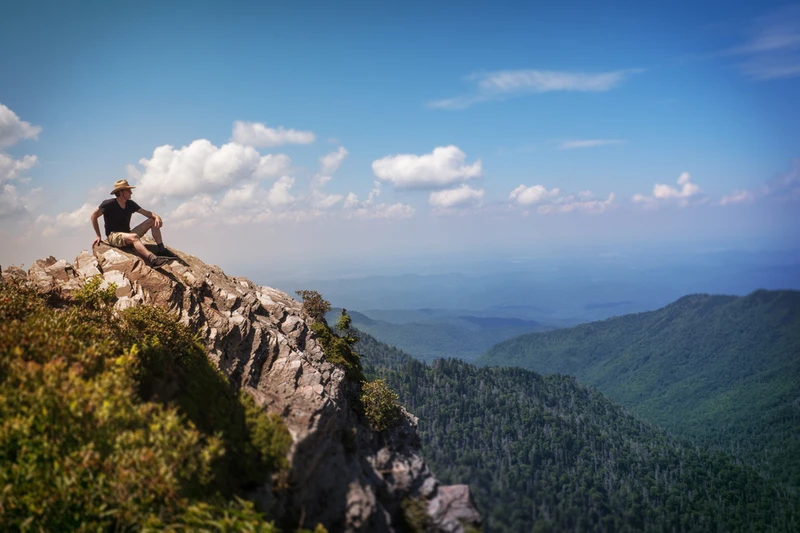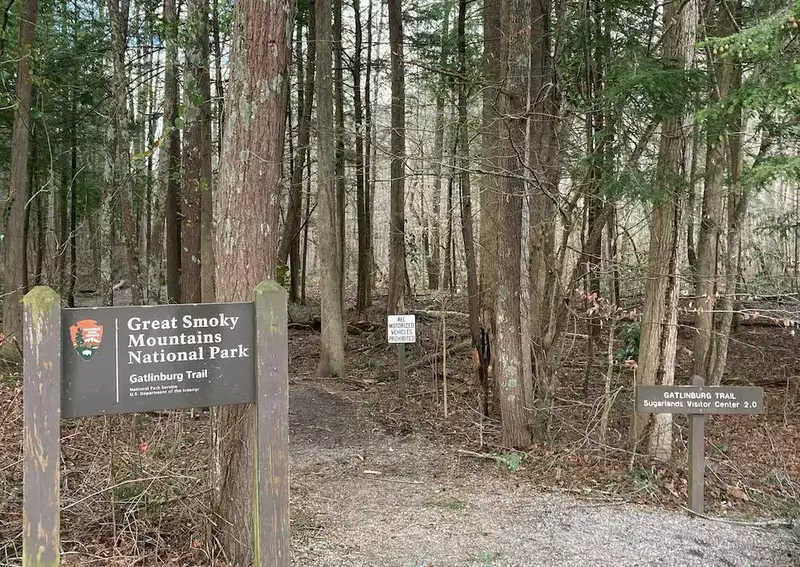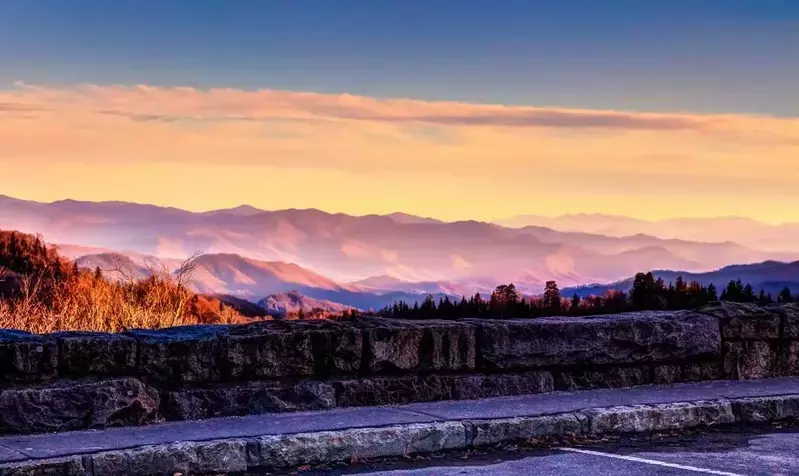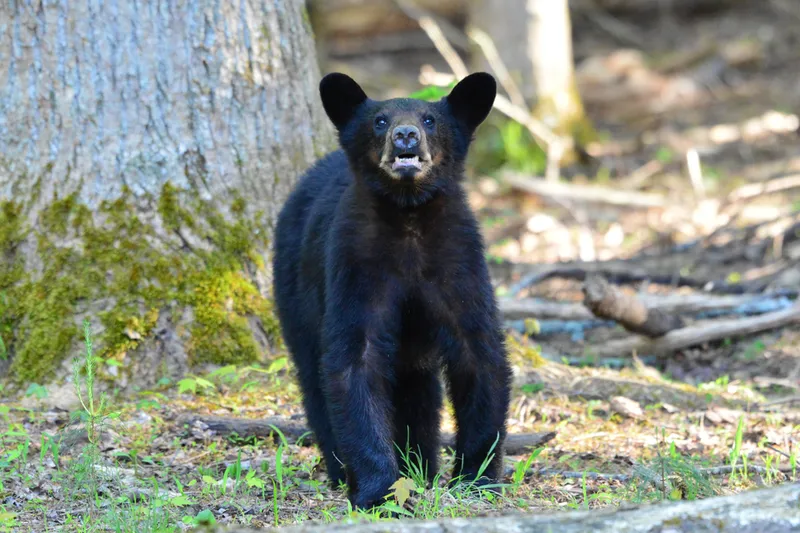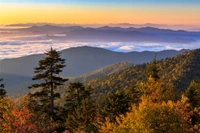

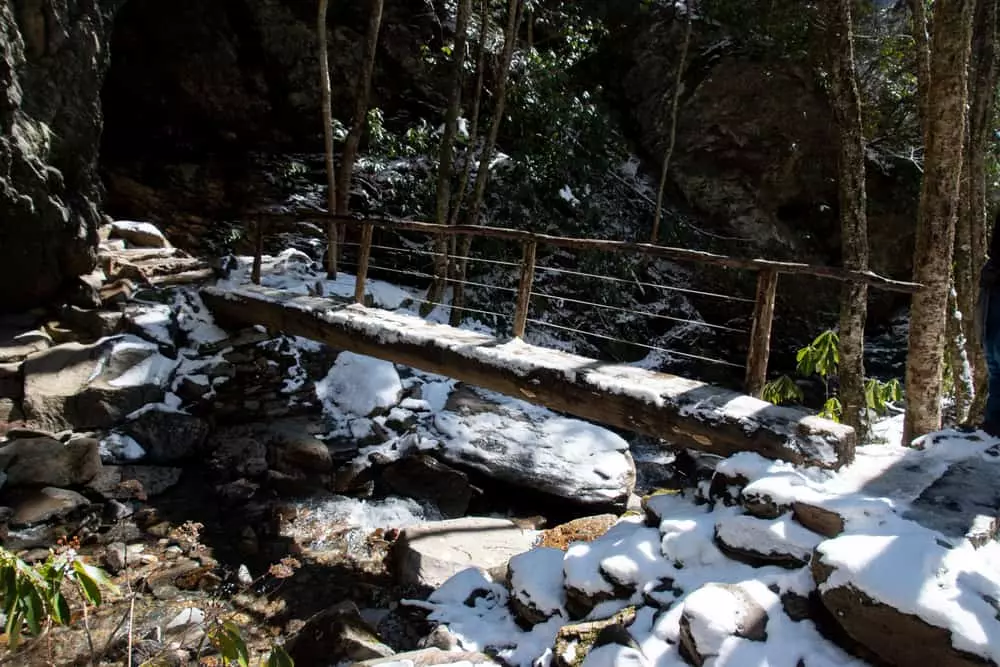
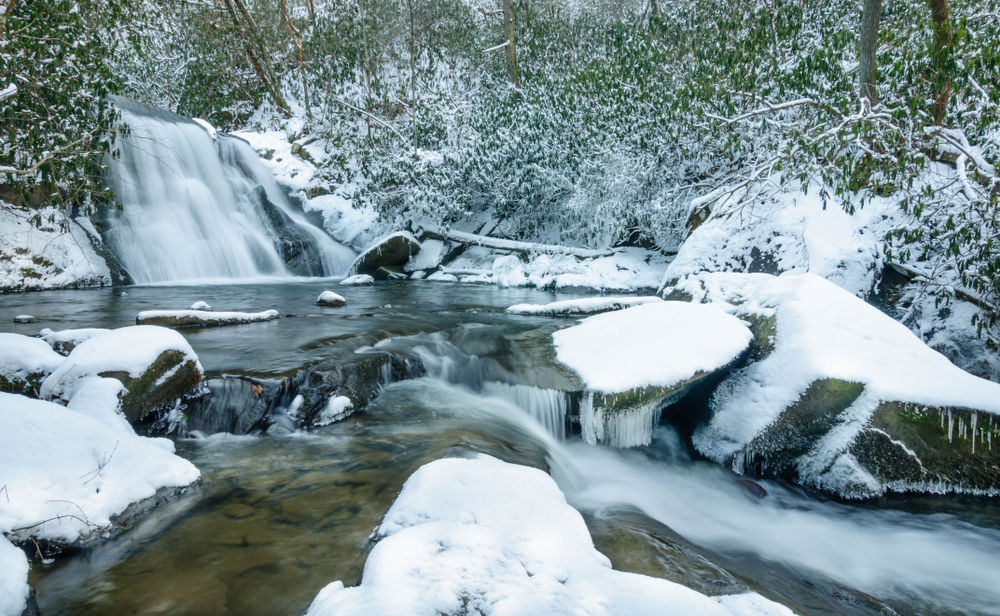
If you love hiking or just spending time outside, the Great Smoky Mountains in winter provide nearly endless opportunities to enjoy the natural beauty and snow-covered mountain scenes. Many might claim that the best hiking in the Smoky Mountains is during the summer, but we think the colder months are just as wonderful, showcasing a winter wonderland of snow, icicles, and even frozen waterfalls that you must see for yourself! To help plan your hiking trip, here are a few tips and things to keep in mind:
1. Make a Plan
Winter hiking in the Smokies requires a little extra planning, but it’s better to be overprepared than to be disappointed that you are unable to hike the trail you wanted because of a seasonal road closure. Many areas of the national park remain open in the winter, such as Cades Cove, but some roads, like Roaring Fork and Kuwohi Road, close until spring.
Some of our favorite hiking trails in the Smoky Mountains during the winter include Alum Cave, Abrams Falls, Chestnut Top, and Curry Mountain Trail.
2. Tell Someone Where You’ll Be
If you’re planning to hike alone, communicating where you’ll be and how long you’re expecting to be out on the trails is the best way to protect yourself if something were to happen. That way, you’ll have a friend or relative who can notify the authorities and start the process of searching for you.
3. Bring a Hiking Buddy
Hiking by yourself can be a great way to clear your mind and feel at peace with nature, but getting out on one of the GMSNP trails with family and friends is one of the best group activities in the Smokies. You’ll get to share a unique experience, spend quality time talking along the way, and have memories that will last a lifetime!
4. Dress in Layers
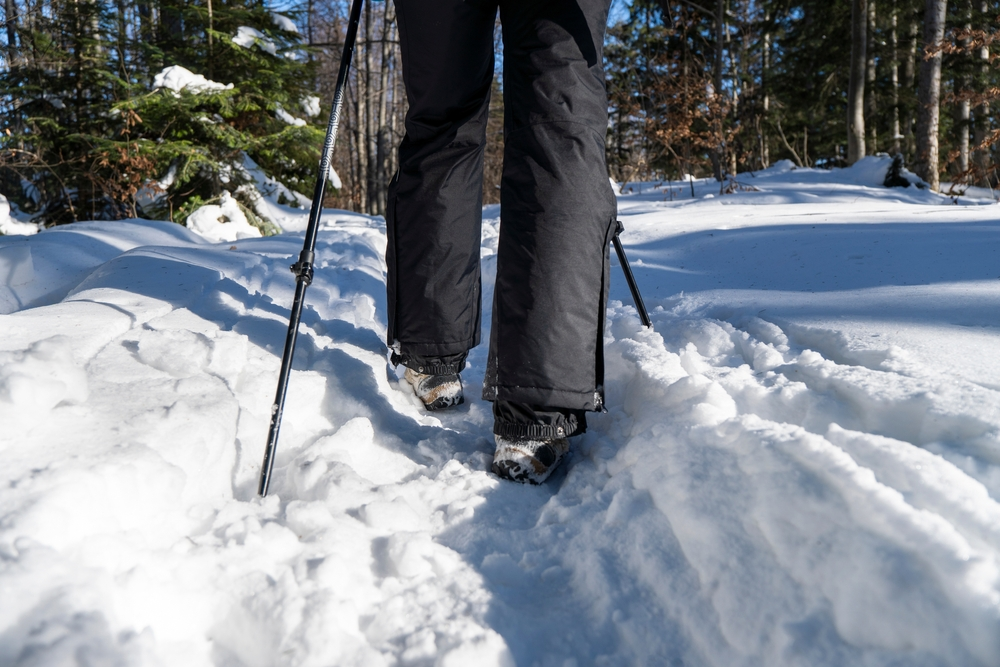
Don’t forget to bundle up! Hiking in the Great Smoky Mountains National Park during the winter months can get a bit cold, especially if you’ll be spending time in the upper elevations. Just because it is a comfortable temperature at the lower elevations doesn’t mean the higher elevations will feel the same way.
At the higher elevations, you can experience much colder weather, even the possibility of snow, so you need to be prepared for whatever Mother Nature decides to throw your way. We recommend dressing in insulated layers, wearing waterproof boots, and having proper hiking equipment such as trekking poles.
5. Start Hiking Early
Since it gets dark much earlier in the day than it does during the summer months, it’s important to begin your hike as early as possible. You’ll want to give yourself plenty of time to get a Smoky Mountain parking pass, find a parking spot at the trailhead, and not have to hurry back. Being able to take your time, admire the scenery, and even stop for a break or two ensures you have the best possible hiking experience.
Ready to Plan Your Smoky Mountain Hiking Trip?
Hiking in the Smoky Mountains is one of the most amazing experiences that you won’t want to miss during the winter months. Why? There are fewer people out on the trails, which makes trailhead parking easier, not to mention the beautiful ice formations, snow-capped mountain peaks, and views you won’t get in the warmer months when the leaves are on the trees.
Plus, cabin rates are at their lowest, so a winter hiking trip can be affordable! After a busy day out on the trails, you’ll love having a cozy cabin rental with scenic views, a hot tub, a fireplace, and other amenities to come back to and relax. Explore all of our Smoky Mountain cabin deals and get ready for an adventure of a lifetime!